

Resources
Our Knowledge, Shared.
For us, it’s all about Knowledge, and sharing what we know with you.
Some of what we know, we give away. Some of it we sell. Either way, it's the same standard we'd hand a client.



Free Downloads

Our short guide on de minimis, what it is and how it affects brands and consumers

A handy guide on the industry standard AQL tables and what they are used for.

The Digital Product Passport (DPP), under the Ecodesign for Sustainable Products Regulation, will fundamentally change how textiles are designed, sourced, and sold in the EU.
From 2027 onwards, brands will need to evidence and disclose material composition, environmental impact, and supply chain data at product level. This isn’t a labelling exercise- it’s a shift to data-driven compliance and full lifecycle transparency.
This factsheet sets out what the DPP means for your brand and the steps you need to take now.

Packaging Extended Producer Responsibility (EPR) is now a live cost and compliance reality.
The UK scheme is already in force, while the EU is introducing a harmonised framework under the Packaging and Packaging Waste Regulation, applying from 2026 with full rollout by 2027.
Businesses placing packaging on the market must now account for recyclability, reporting, and end-of-life costs. Packaging is no longer just a sourcing decision - it is a regulated, performance-driven obligation.
This factsheet sets out what packaging EPR means for your brand and what you need to be doing now.

Profiles of mechanical Finishes used in textiles, including their pros and cons and the types of fibres they are suitable for.
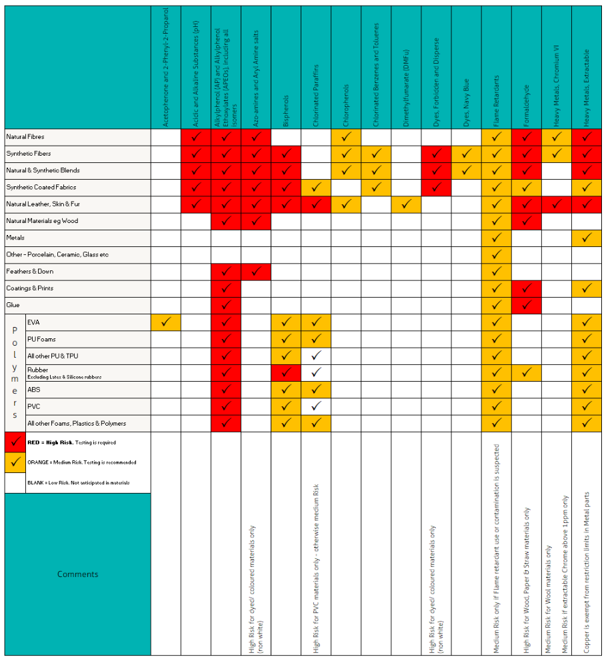
An 8 page document highlighting the various chemical inputs that may be found in textiles, clothing and accessories including footwear.
Information given on the potential health risks and the limits under current UK & EU REACH and Cal Prop 65.

Profiles of chemical finishes used in textiles, including their pros and cons of use and the types of fibres they are suitable for.
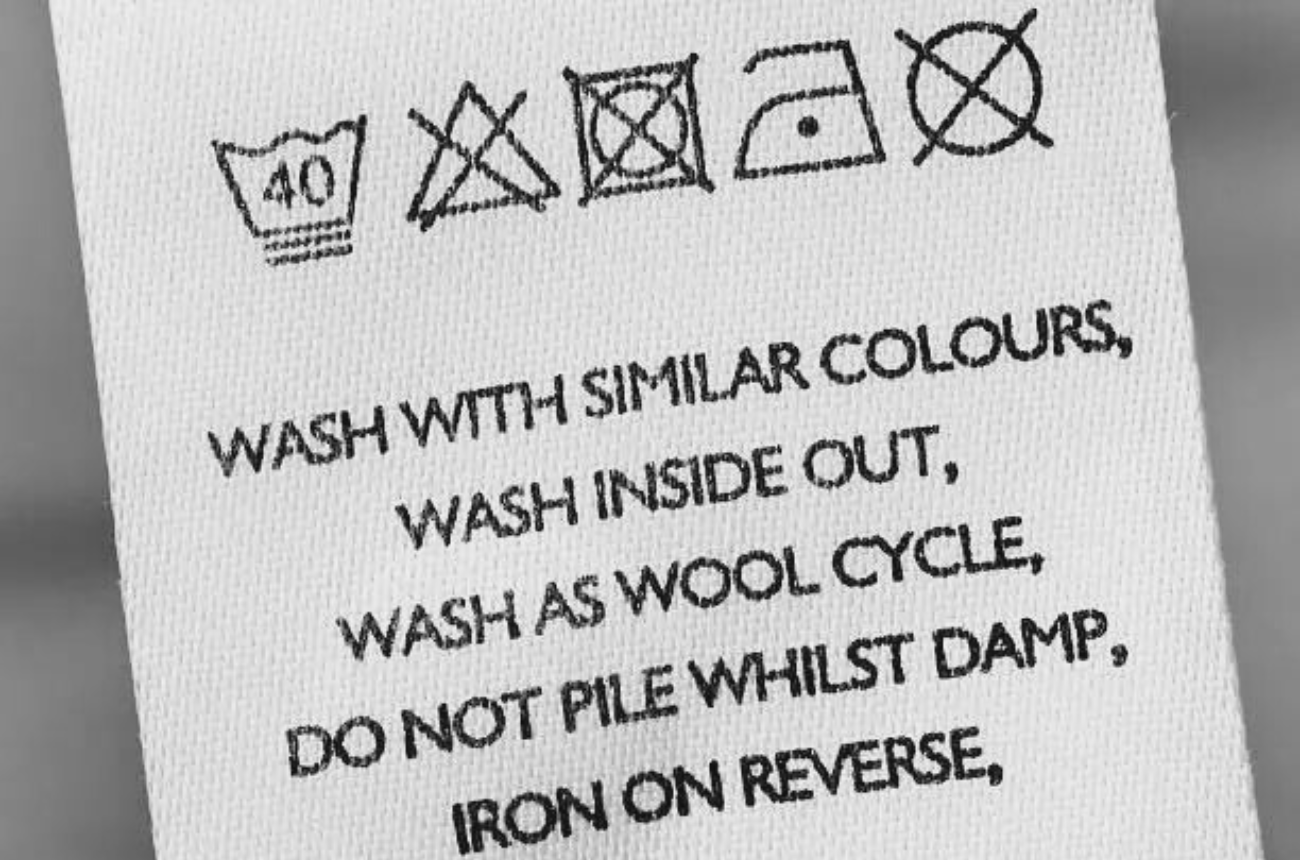
A document detailing care label requirements to meet Textile Fibres and Related Labelling and Marking of the Fibre Composition Of Textile Products EU 1007/2011 & SI 2012/1102

Textile Extended Producer Responsibility (EPR) is moving from concept to enforcement across Europe.
Under the revised Waste Framework Directive, brands selling into the EU will become financially responsible for the collection, sorting, and recycling of their products by 2028.
While the UK has yet to legislate, industry and government direction is clear—EPR is coming.
This is not just a cost shift; it’s a fundamental change in how product design, durability, and circularity are measured and priced.
This factsheet sets out what textile EPR means for your brand and what you need to be doing now.

Textile dye profiles with pros, cons and the types of fibres they are suitable for.

A quick guide on how to measure buttons, the measurement units used and a handy conversion chart